Wet soil
Uncontrolled ground moisture can raise humidity below the home.
Crawl spaces can hide moisture, wood decay, musty odours, pest damage, and mold growth. We inspect the conditions and explain the next step.
604-800-3900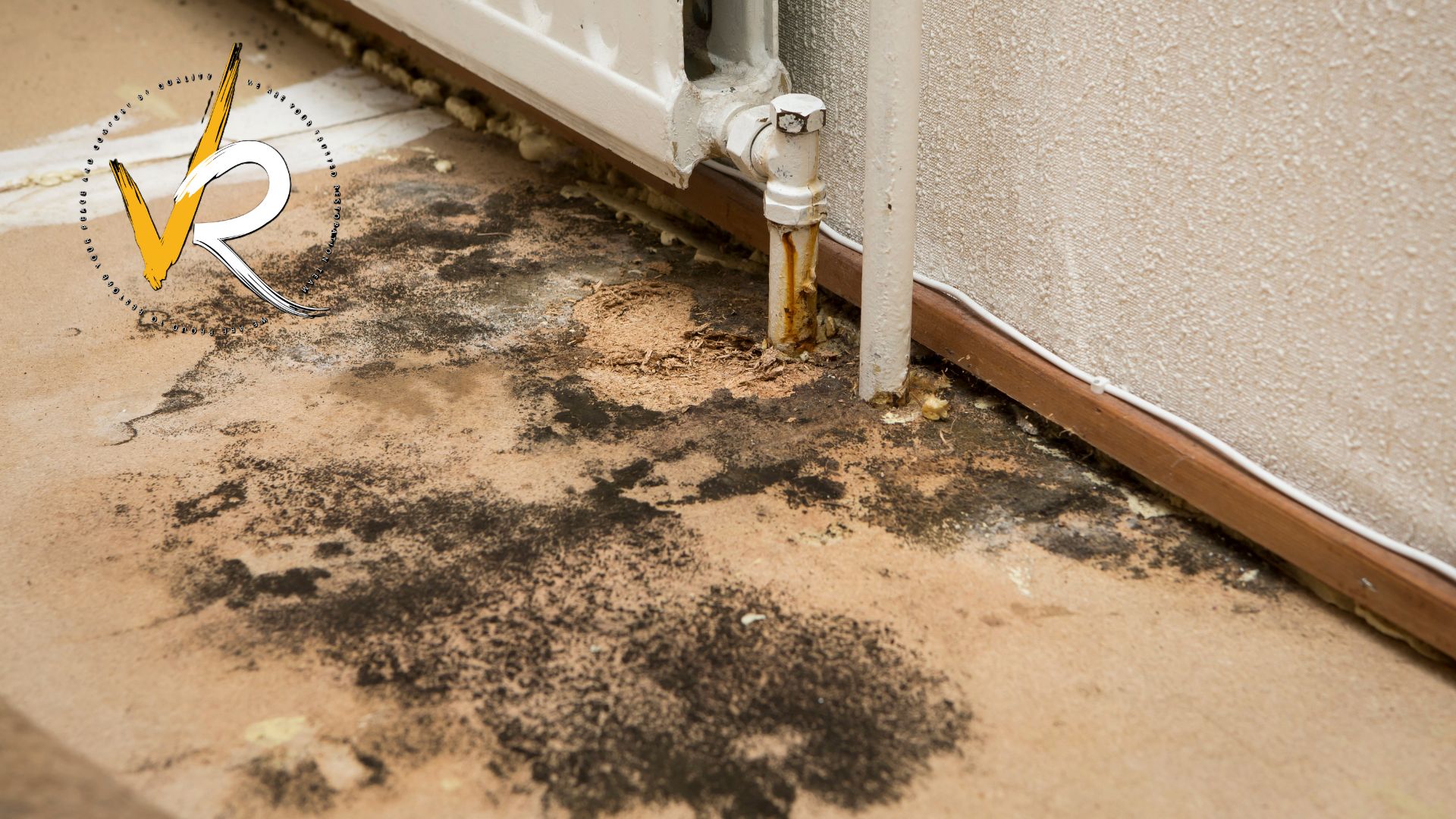
Crawl space risks
We check exposed framing, insulation, vapour barriers, vents, grading clues, standing water, musty odours, and signs of chronic dampness under Vancouver homes.
Crawl space moisture
Crawl spaces can affect odours, wood framing, insulation, and indoor air quality. We inspect moisture conditions, vapour barriers, exposed wood, vents, drainage clues, and signs that damp air is moving into the living space.
Local service details
Vancouver properties often need a moisture-first inspection because weather, ventilation, older materials, and building envelope issues can all contribute to mold.
Uncontrolled ground moisture can raise humidity below the home.
Missing or torn poly allows damp soil air into the crawl space.
Grading, downspouts, and seepage can create chronic dampness.
Joists and subfloors can show staining, growth, or decay.
Wet or fallen insulation can trap moisture against materials.
Odours can move from crawl spaces into living areas.
Inspection process
A clear process helps reduce stress and gives you the information needed to choose repair, testing, cleanup, or monitoring with confidence.
We inspect safely accessible crawl space areas.
Visible dampness, staining, odours, and material conditions are reviewed.
Photos and notes explain what is affecting the space.
You get guidance for drying, drainage, vapour barrier, and remediation.
Photo examples
Replace or add more photos here as you collect real project images. Local, specific photos help trust and SEO.
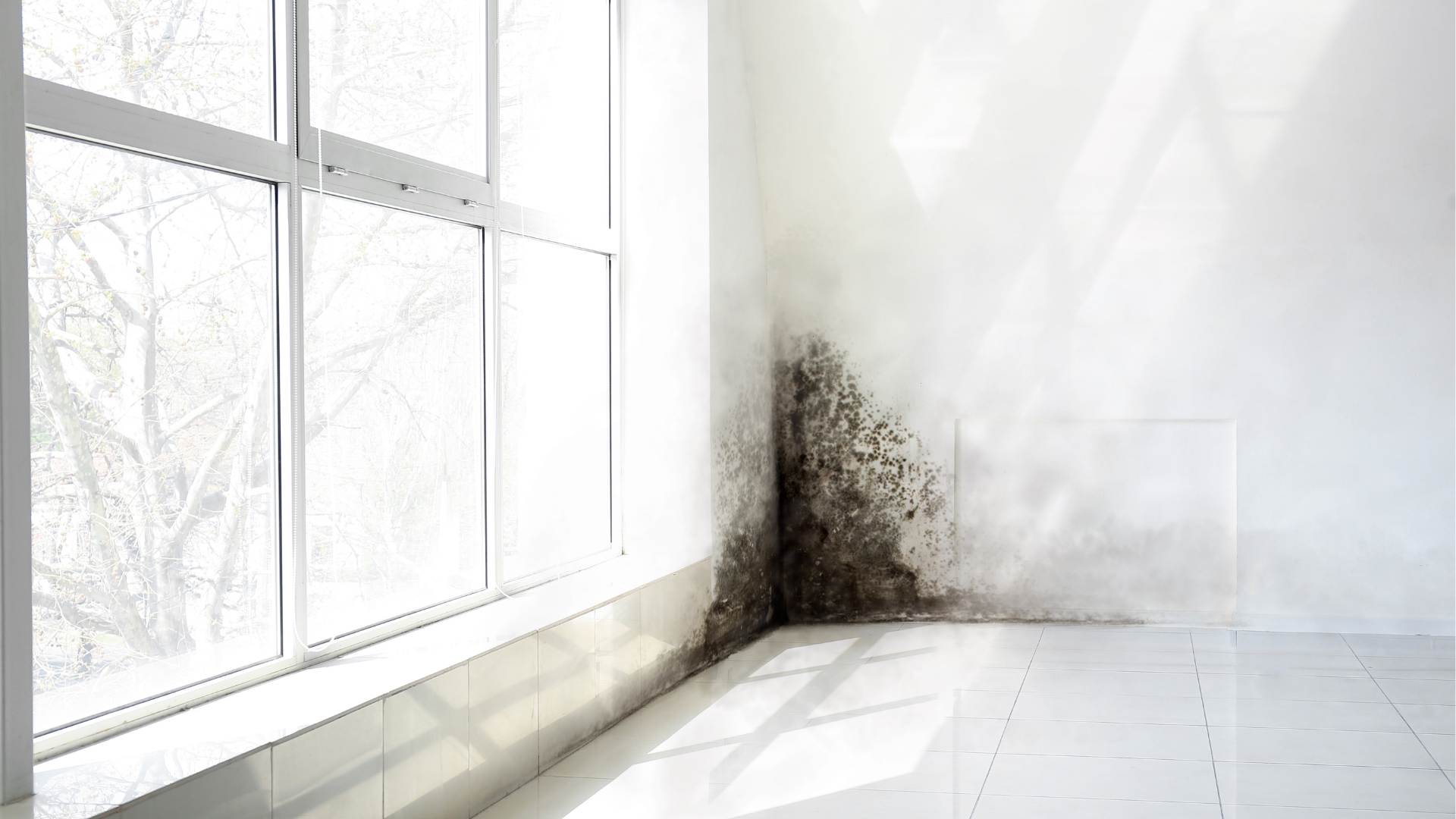 Foundation and drainage
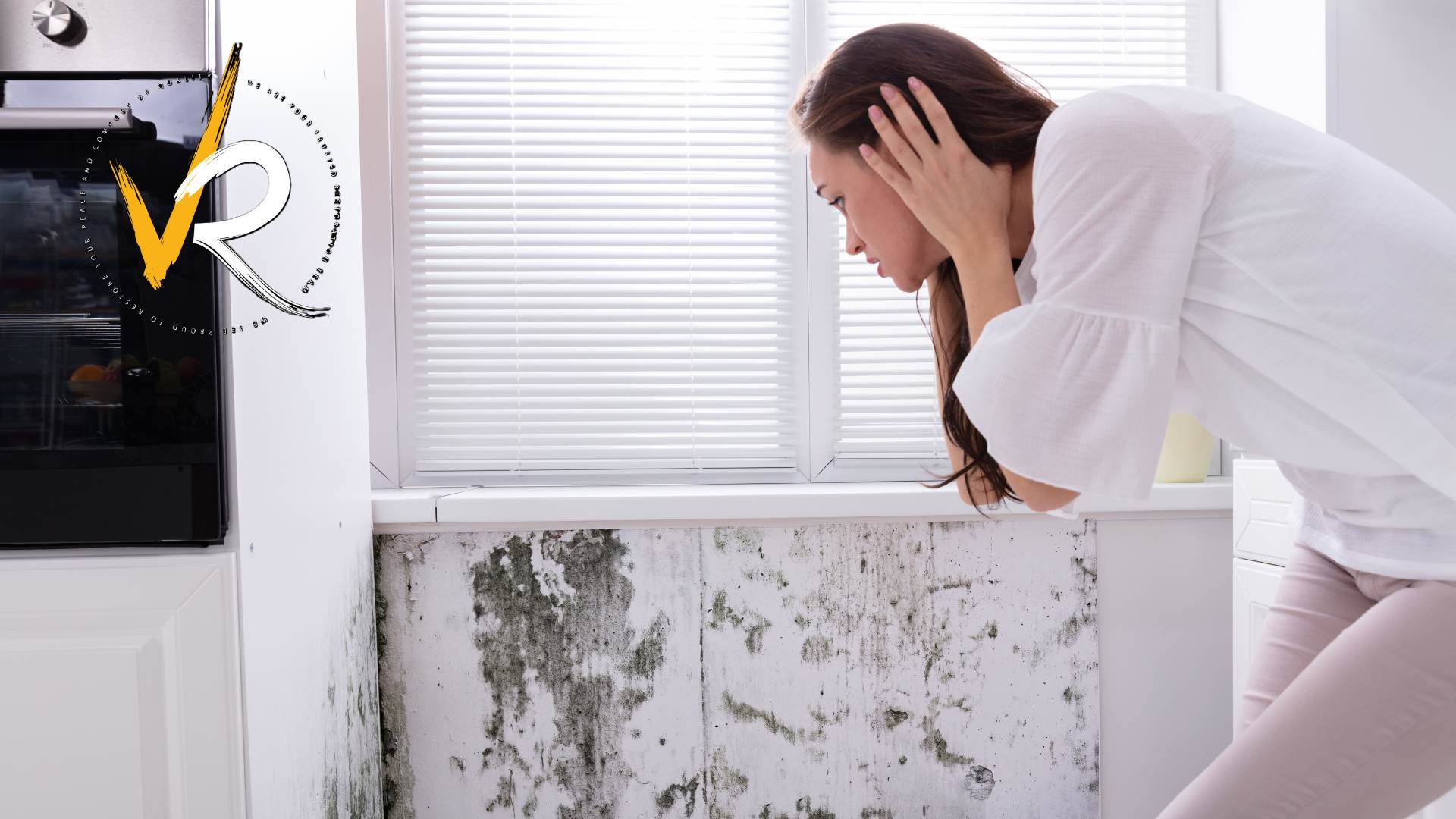 Moisture migration
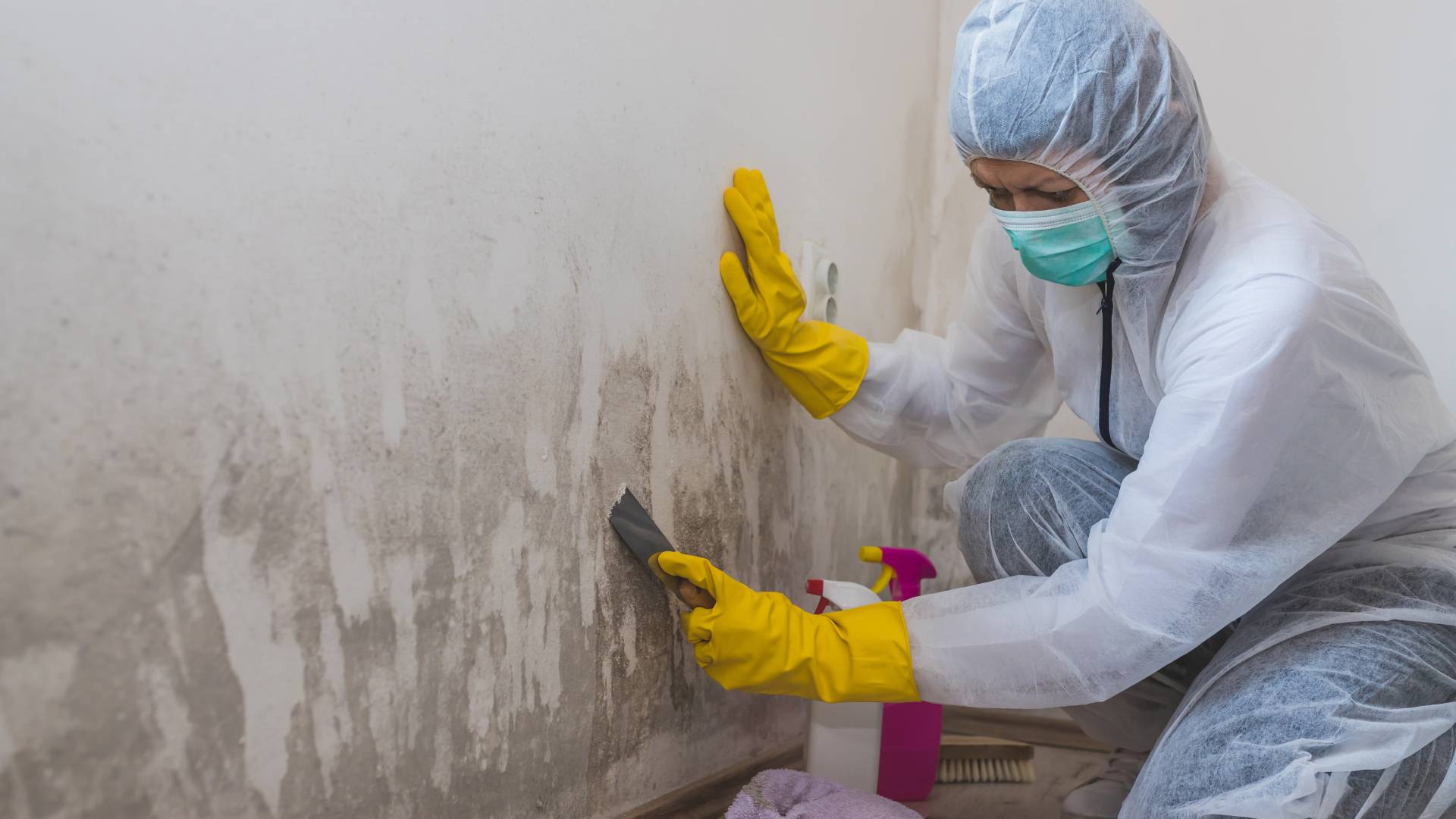 Remediation planning
Service areas
Book local mold inspection support in Vancouver, West Vancouver, North Vancouver, Burnaby, and Coquitlam.
604-800-3900Questions
Yes. Air from below the home can move upward through gaps and pressure differences.
It depends on drainage, ventilation, vapour barrier, and building conditions. Inspection helps choose the right approach.
Standing water should be addressed quickly because it can drive humidity, odours, and material damage.